Pocket Door Planning: Framing, Wall Requirements, and Hardware Considerations
- 18 February 2026
- Carter Bay

Pocket doors are great space-savers with design advantages. However, for builders and remodelers, the work starts long before the door goes in. Installing a pocket door requires careful planning around framing, walls, and hardware.
Planning ahead keeps your framing and hardware working together smoothly. This guide covers everything you need to know before construction begins so your pocket door lasts a lifetime.
And for track systems, rollers, and accessories, you can always check out Carter Bay's pocket door hardware collection.
Planning Pocket Doors Early in the Design Process
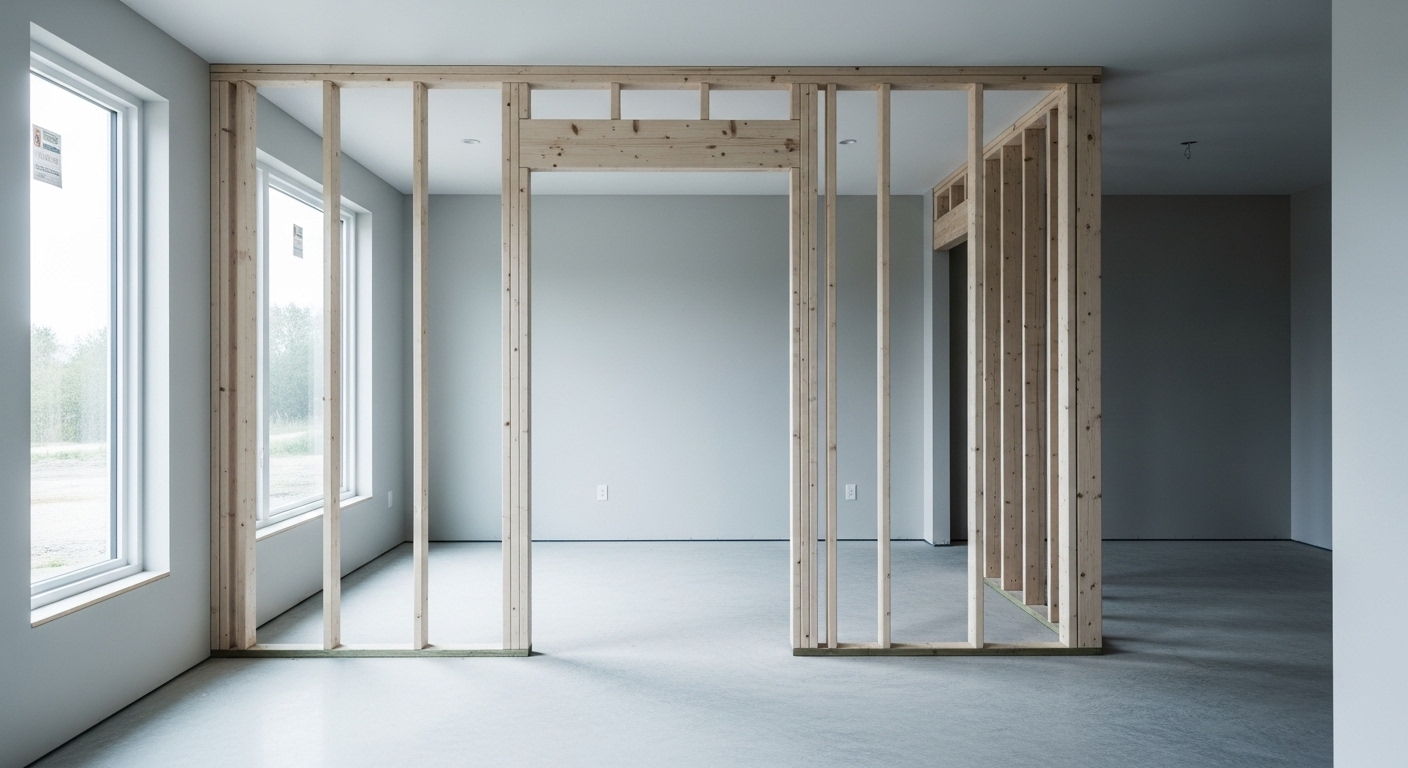
You have to plan for pocket doors right from the start. Unlike a regular door, a pocket door slides inside the wall. This changes how you frame the space and route your wires.
Early pocket door planning helps avoid:
- Framing mistakes
- Electrical or plumbing interference
- Insufficient wall depth
- Limited access for future adjustments
Checking your layout early saves you from expensive rebuilds later.
Pocket Door Planning For New Construction Versus Renovations
New construction
It is easiest to plan pocket doors in a brand-new build. You can build the wall thickness, stud spacing, and headers exactly how you need them from day one.
Renovations and remodels
In renovation projects, existing wall conditions often dictate feasibility. Structural elements, load-bearing walls, plumbing stacks, or electrical runs may limit where a pocket door can be installed.
Always check the wall early to see if a pocket door will actually work, or if you need a different solution.
Wall Thickness and Framing Requirements
The most important part of pocket door planning is wall thickness. The wall must be deep enough to house the door panel and track system while maintaining structural integrity.
Keep these framing details in mind:
- Stud depth and spacing
- Header size to hold the extra weight
- Compatibility with drywall thickness and finishes
Always check your structural drawings to make sure the wall can support the pocket door frame.
Rough Opening Dimensions and Clearances
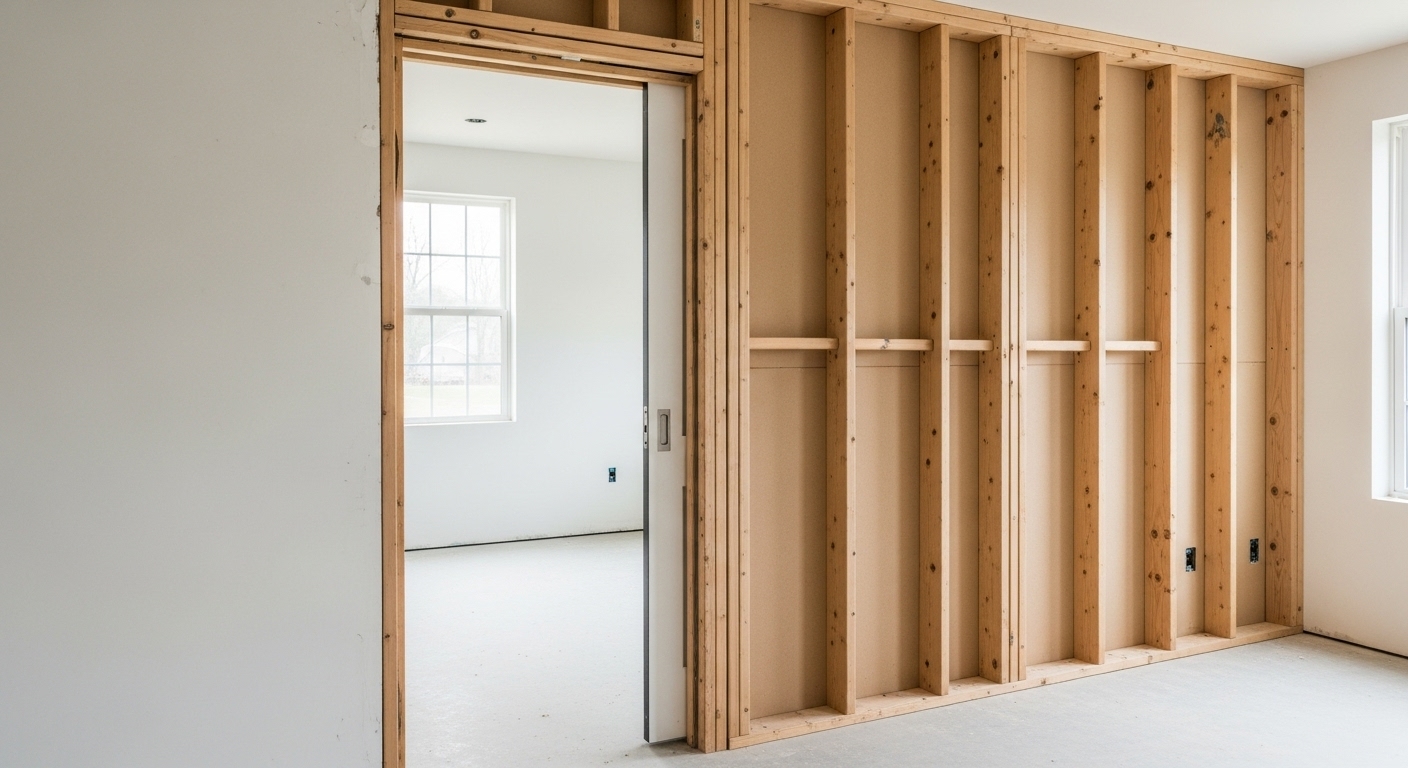
You need the right opening size for the door to work well. Make sure you plan for:
- The door's exact width and height
- The length of the track system
- Extra space so the door slides smoothly
If the opening is too small, the door will stick or refuse to open fully. This undermines both function and aesthetics.
Coordinating Pocket Doors with Building Systems
Pocket doors share the wall with other systems. You must coordinate with your team early so you don't accidentally run a pipe where the door needs to go.
Key coordination points include:
- Light switches and electrical wires
- Plumbing pipes and drains
- Air vents and HVAC ducts
Hardware Specifications and Performance Planning
Hardware selection should align with both door specifications and usage expectations. Pick hardware that matches the door's weight and usage frequency.
Heavy doors need heavy-duty tracks. Choosing strong hardware means a smoother slide, fewer broken parts, and a longer life for your door.
Planning for Installation and Future Access
Figuring out how to install the door and access it later is a massive part of pocket door planning. Once the drywall goes up, the internal hardware is trapped inside the wall cavity. Without early coordination, servicing internal components later might require tearing open a beautifully finished wall.
During the planning stage, your team needs to confirm a few key details:
- Built-in adjustments: Ensure the chosen hardware system allows for easy tweaks after installation.
- Access points: Plan for removable trims or access panels before construction begins.
Solving these access issues early prevents huge headaches once the paint and trim are completely finished.
In projects that include multiple sliding applications, Carter Bay’s sliding door hardware provides a single place to get all your tracks and parts, keeping your hardware consistent across the entire build.
Acoustic, Privacy, and Usage Considerations
Pocket doors do not block sound the same way hinged doors do. Since they slide into a hollow space, noise travels through the wall much more easily. The door thickness and your hardware choices directly affect how quiet the room will be.
Keep these details in mind for better sound control:
- Solid-core doors: These block much more noise than standard hollow doors.
- Soft-close tracks: These stop the door from slamming into the frame and reduce impact noise.
- Specialty locks: Use locks made specifically for sliding doors.
If you are installing the door in a bathroom or bedroom, proper locking hardware is a must. It gives you privacy while staying flush, so it won't catch on the drywall when you slide the door open.
When to Skip Pocket Doors
Despite their advantages, pocket doors do not work everywhere. Always check for roadblocks before finalizing the layout.
You should consider a different door if you face:
- Structural limits: The wall handles heavy loads and is too costly to modify.
- High privacy needs: The room requires total soundproofing.
- Not enough wall space: The wall is too short for the track or is full of immovable plumbing and electrical lines.
Finding these limits early lets you choose a better door system without slowing down the project.
Recommended Pocket Door Track Options
Final Planning Considerations
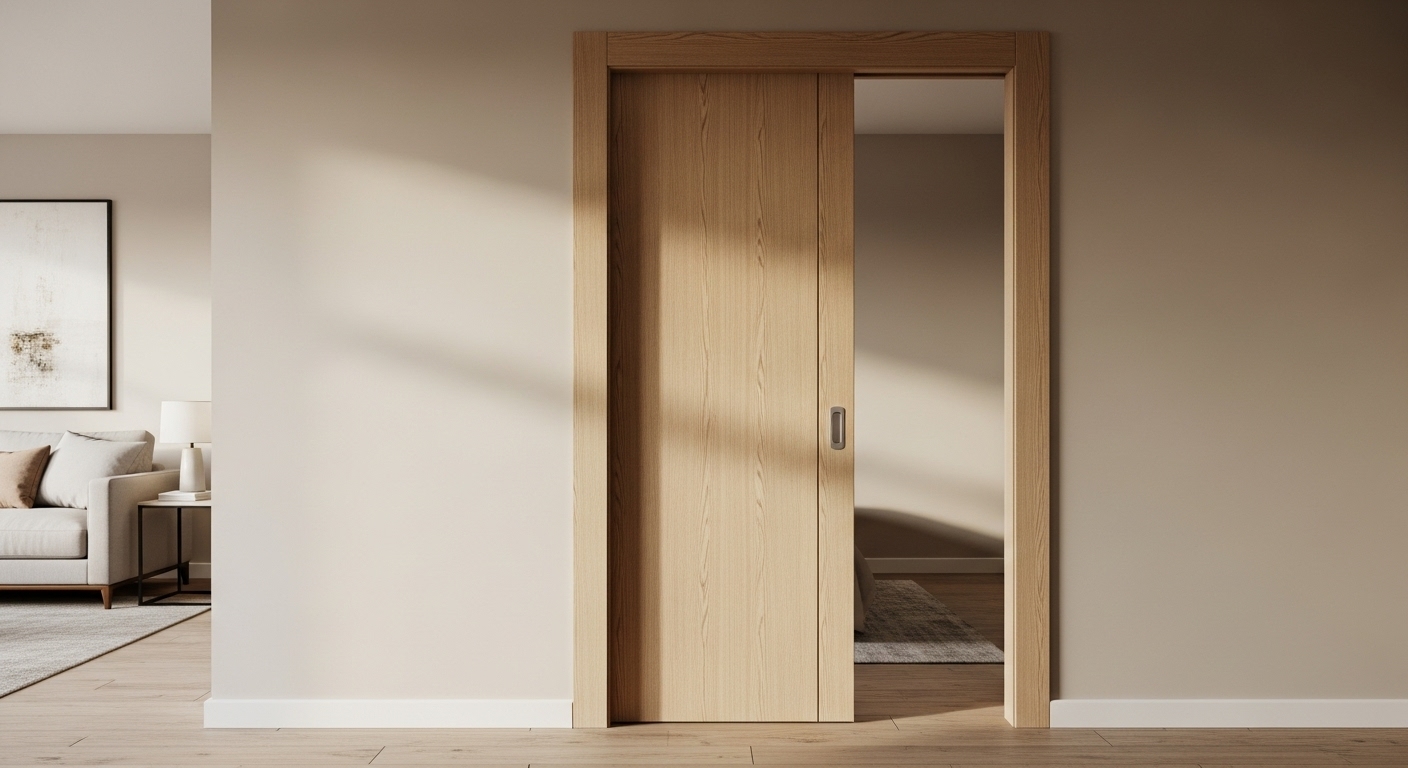
Effective pocket door planning happens long before installation begins. Good planning prevents expensive mistakes. Check your wall space, framing limits, and hardware choices early in the design phase.
When builders, plumbers, and electricians coordinate from the start, the result is a door that slides perfectly and stays easy to maintain.
With planning decisions taking shape, it’s a good time to think through the final hardware details. Browse Carter Bay’s door lock catalog to find hardware that matches your style and fits your specific setup.
Frequently Asked Questions About Pocket Door Planning
When should I plan for pocket doors in my project?
Plan for pocket doors during the earliest design phases of your project, ideally before finalizing framing layouts and MEP (mechanical, electrical, and plumbing) coordination.
Are pocket doors suitable for load-bearing walls?
Pocket doors can be installed in load-bearing walls. But doing so requires proper structural headers and specific framing to safely carry the weight above the door.
Can pocket doors be added during a renovation?
Yes. However, it depends on what is currently inside your walls. You must check for hidden pipes, wires, and supports before tearing anything down.
What is the most common planning mistake with pocket doors?
People often forget to check the wall depth. Another massive mistake is sealing up the wall without leaving a way to reach the track for future repairs.
Do pocket doors require special hardware planning?
Yes. You must pick tracks and rollers built to handle the exact weight of your door and the frequency of use.