How to Install a Pocket Door System Like a Pro
- 1 December 2025
- Carter Bay

Pocket doors are a great way to save space and create a clean, modern look in bedrooms, bathrooms, hallways, and home offices. If you're ready to install one yourself, learning the right steps from the start will help ensure smooth, quiet, and reliable operation for years.
This guide walks through the essentials of how to install a pocket door, from choosing the right frame to prepping the opening, mounting the track, hanging the door, and finishing the trim.
If you want to explore compatible frames, tracks, rollers, and accessories before getting started, browse Carter Bay’s pocket door hardware collection to see options that match a wide range of setups.
Tools and Materials You Will Need
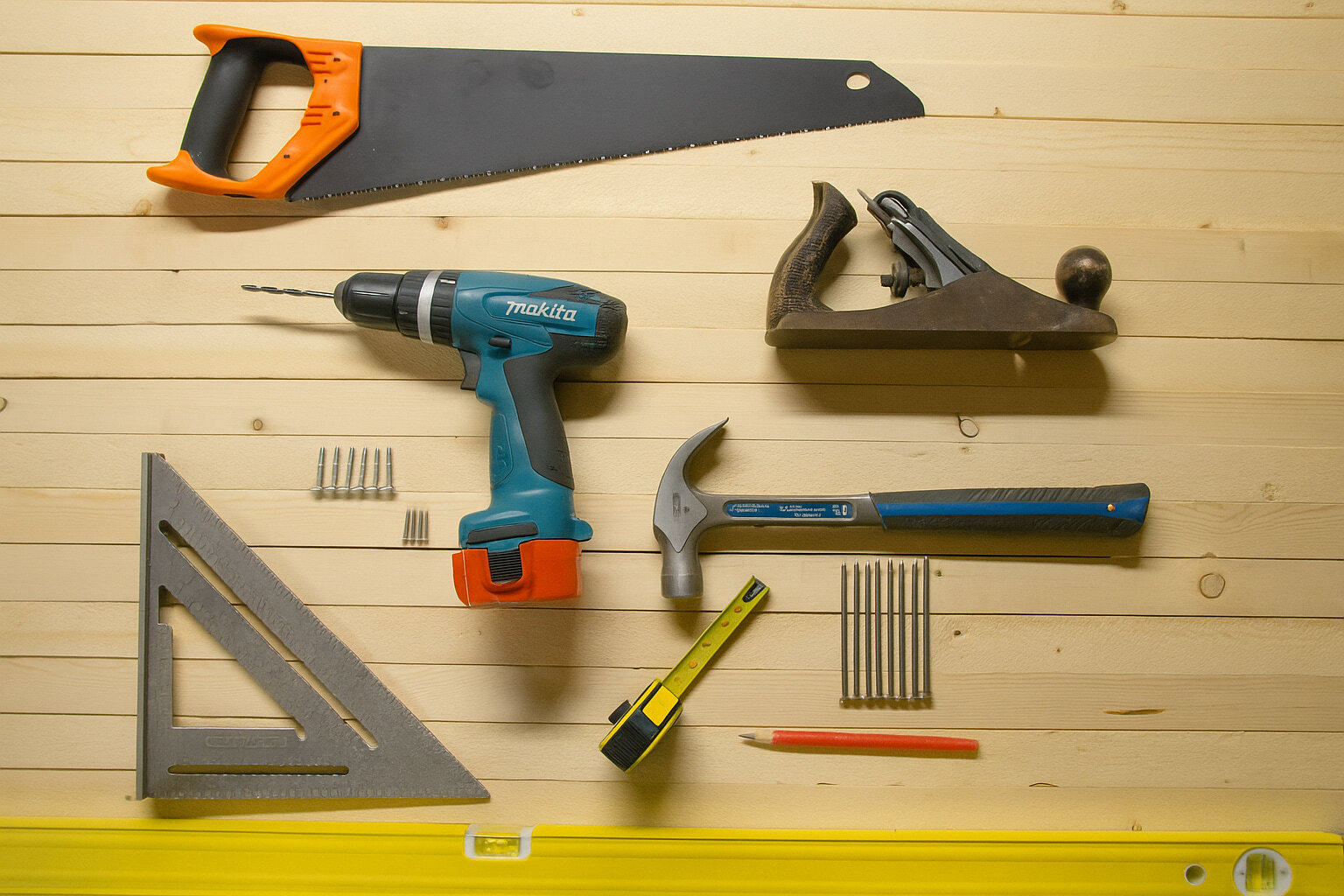
Before beginning, gather the following:
- Pocket door frame kit
- Level
- Measuring tape
- Stud finder
- Drill and driver bits
- Screws appropriate for framing
- Shims
- Door slab sized for pocket installation
- Roller and track hardware (if not included in your kit)
- Finishing trim and casing
Having everything ready makes installation smoother and prevents unnecessary interruptions.
1. Measure the Opening and Plan the Space
Accurate measurement is the foundation of a successful pocket door installation.
Key Measurements to Confirm
- Rough opening width and height
- Required cavity width for the pocket frame
- Door slab size (typically 1 3/8 inches thick)
- Wall thickness (often 2x4 or 2x6 framing)
Pro Tip
Pocket door systems usually require double the width of the door slab to allow enough space inside the wall for the pocket frame.
2. Prepare the Wall Cavity
Use a stud finder to locate and remove the studs where the pocket frame will sit. Remove drywall carefully and cut only what is needed.
What to Check Before Moving Forward
- Electrical wires in the cavity
- Plumbing lines
- Load-bearing considerations
If the wall is load-bearing, consult a professional before modifying structure. Non-load-bearing walls are usually straightforward for pocket door installation.
3. Install the Pocket Door Frame
The frame holds the pocket cavity and ensures the door slides smoothly without rubbing.
Steps
- Position the pocket door frame kit inside the wall opening.
- Use a level to ensure plumb alignment on both sides.
- Secure the frame to the header and floor plate with appropriate screws.
- Add shims where needed to prevent twisting or bowing.
Why This Matters
A misaligned frame is the number one cause of sticking or scraping pocket doors later.
4. Attach the Track and Rollers

Once the frame is set, mount the track across the top.
Steps
- Fasten the track according to the kit instructions.
- Install the rollers on top of the door slab.
- Hang the door by lifting and hooking the rollers onto the track.
- Confirm that the door sits evenly and glides freely.
If your kit does not include rollers or you want upgraded components, Carter Bay carries smooth-glide sliding door hardware designed for quiet operation and long-term durability.
5. Adjust Alignment and Smooth Movement
Proper alignment ensures clean operation and prevents wear.
Check For
- Bottom guide alignment
- Leveling along the top edge
- Even gaps on both sides
- No scraping against the frame
Make small roller adjustments until the movement is smooth and balanced.
6. Install the Door Guides
Pocket doors require a bottom guide to keep the door from swinging or shifting.
Guide Installation Steps
- Center the bottom guide on the floor beneath the door.
- Ensure the guide engages the door’s groove cleanly.
- Test the movement to confirm straight travel.
If your door does not have a groove, some guides can be mounted directly to the face of the door.
7. Add Trim and Finishing Touches

Once the door glides smoothly, reinstall or apply new trim to complete the look.
Finishing Tips
- Leave slight clearance to prevent rubbing
- Choose trim styles that match the room’s character
- Use finishing nails for a clean installation
At this stage, your pocket door should operate quietly and feel solid during daily use.
Recommended Pocket Door Installation Kits and Hardware Options
Troubleshooting Common Installation Issues
Even a good installation can run into small problems. Here are issues to check:
Door Scraping Inside the Pocket
Likely caused by frame misalignment or improper shimming.
Uneven Sliding or Wobbling
Adjust the roller height or check that the bottom guide is properly centered.
Door Won’t Fully Retract
Inspect for debris inside the cavity or roller binding inside the track.
Bringing It All Together
Installing a pocket door is a rewarding project when you follow the right steps and choose hardware designed for smooth movement and long-term reliability. With careful measurements, a level frame, and quality rollers, your pocket door will feel sturdy, quiet, and easy to use.
For additional upgrades, you can explore Carter Bay’s full range of door locks to find styles that match your setup. With the right components and a few careful adjustments, your new pocket door can become a comfortable, functional feature in any room.