Choosing the Right Pocket Door Track System for Your Home
- 9 February 2026
- Carter Bay
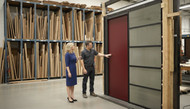
Pocket door track systems play a critical role in how smoothly a door operates, how quietly it moves, and how well it performs over time. The track system hidden inside the wall is responsible for supporting the door’s weight and guiding its movement.
There are several considerations when choosing the right pocket door track system. Door weight, usage frequency, wall construction, and hardware quality all influence which solution will perform best in a given space.
Important distinction: while rollers influence smoothness and noise, the track system determines whether the door can be properly supported over time.
If your project requires new or replacement components, Carter Bay’s pocket door hardwarecollection offers compatible tracks, rollers, and accessories designed for modern pocket door systems.
Why the Track System Matters More Than the Door
Pocket doors are suspended from above, meaning the track bears the full load every time the door opens or closes. A well-matched track system ensures:
- Smooth, consistent movement
- Reduced noise and vibration
- Stable alignment over time
- Longer service life for rollers and hardware
An under-rated or poorly designed track can cause sticking, uneven travel, and premature wear, regardless of the quality of the door panel itself.
Common Types of Pocket Door Track Systems

Different projects call for different types of pocket door tracks. Understanding these categories helps quickly narrow down the right option.
Standard pocket door track systems
Designed for lightweight or hollow-core doors in low-traffic areas. These systems are suitable for basic applications but offer limited adjustability and lower weight ratings.
Heavy-duty pocket door track systems
Engineered for solid-core, oversized, or specialty doors. These systems use reinforced tracks and higher-rated rollers to handle increased weight and frequent use.
Soft-close pocket door track systems
Soft-close systems integrate dampers that slow the door near the end of travel. This reduces slamming, improves usability, and lowers long-term stress on tracks and rollers.
Understanding Pocket Door Track Weight Capacity
Weight capacity is one of the most important factors in pocket door track selection. Exceeding a track’s rating can lead to alignment issues, noise, and early failure.
| Door Type | Typical Weight Range | Recommended Track Rating |
|---|---|---|
| Hollow Core | 30–50 lbs | 75 lbs or higher |
| Solid Core | 80–120 lbs | 150 lbs or higher |
| Oversized or Specialty | 150+ lbs | 200 lbs or higher |
For best results, selecting a track system rated above the door’s actual weight provides a margin of safety and helps maintain smooth operation over time.
Matching Track Systems to Door Type and Usage
Usage frequency plays a major role in track performance. High-traffic areas such as bathrooms, kitchens, and main living spaces benefit from more durable pocket door track systems designed for repeated use.
Consider:
- How often the door will be opened and closed
- Whether quiet operation is important
- Door size, thickness, and material
A track system selected with real-world usage in mind will require fewer adjustments and perform more consistently long term.
What Happens When a Track System Is Under-Rated
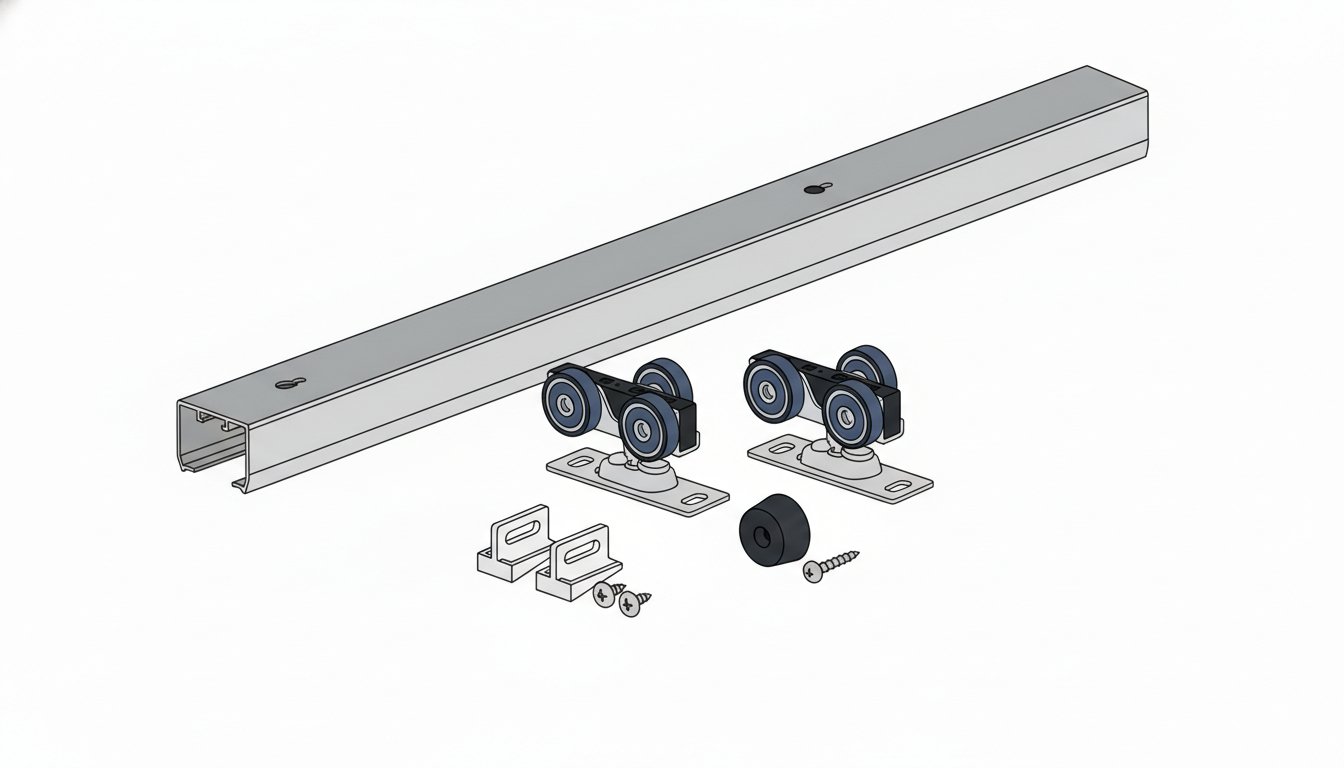
Choosing a track system that cannot properly support the door often leads to avoidable issues, including:
- Premature roller wear
- Track flexing or deflection
- Alignment drift over time
- Increased noise during operation
- Costly wall access for repairs or replacement
These problems typically develop gradually, making them harder and more expensive to correct after installation.
Planning for Installation and Adjustability
Access to internal components is often overlooked when installing pocket door track systems. Once the wall cavity is closed, repairing or replacing tracks and rollers often requires cutting into drywall, which can be costly and disruptive. Planning ahead can significantly reduce the likelihood of invasive repairs later.
Well-designed pocket door track systems support post-installation adjustability, allowing door height and alignment to be fine-tuned even after the wall is finished. Adjustable hangers are especially important, as they make it possible to correct minor sagging or alignment changes caused by settling, temperature shifts, or long-term use.
Other planning considerations that improve long-term serviceability include:
- Removable track stops or access points, allowing rollers to be disengaged or replaced without removing the entire track or opening the wall
- Tracks that mount independently of drywall, so the door’s weight is supported by the framing rather than the wall surface, reducing the risk of alignment issues caused by wall movement
- Clearances that allow roller adjustment from the door opening, making it possible to fine-tune door height and alignment without accessing the wall cavity
In renovation or high-use applications, choosing a track system designed with maintenance access in mind can help avoid unnecessary wall damage if adjustments are needed in the future.
Many pocket door track systems also share design principles with other sliding door applications, particularly when it comes to rollers and movement control. Using compatible, high-quality sliding door hardware can help ensure smooth operation and long-term durability across different door styles.
When to Choose a Soft-Close Track System
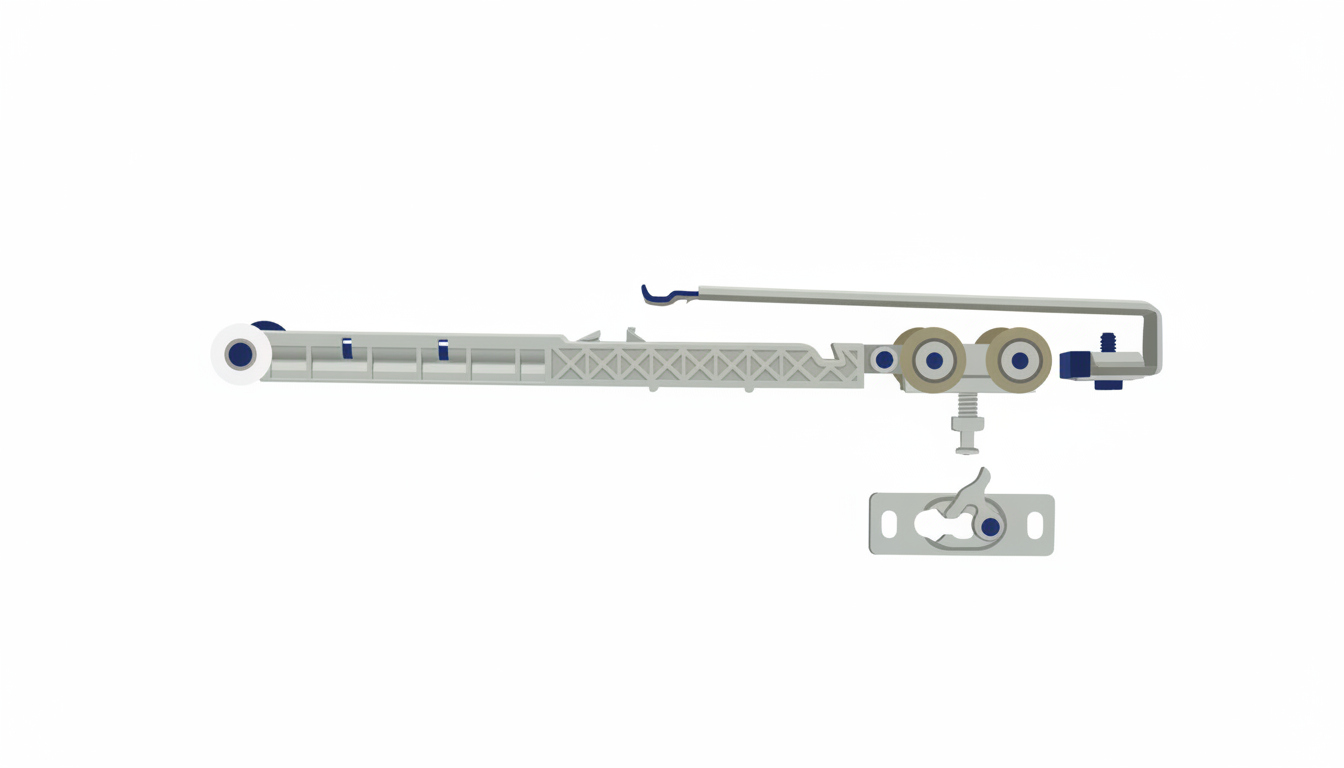
Soft-close pocket door track systems are particularly useful in spaces where comfort and noise reduction matter most. They are well-suited for:
- Bedrooms and bathrooms
- High-traffic residential spaces
- Heavier doors that benefit from controlled movement
While not required for every application, soft-close systems can significantly improve the everyday experience of using a pocket door.
Recommended Pocket Door Track Options
Complete the Track System with Proper Locking Hardware
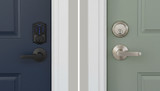
Once the track system is selected, compatible locking hardware helps complete the installation. Locks designed specifically for pocket and sliding doors provide privacy and security without interfering with movement inside the wall.
Carter Bay has you covered with our full range of door locks to find styles and configurations that suit your project and functional requirements.
Frequently Asked Questions About Pocket Door Track Systems
How do I know which pocket door track system to choose? +
The right system depends on door weight, door material, and usage frequency. Heavier or frequently used doors benefit from higher-rated track systems designed for durability and adjustability.
Are soft-close pocket door track systems worth it? +
Soft-close systems are worth considering where quiet operation and reduced wear are priorities. They protect internal components while improving usability.
Can a pocket door track system be replaced without removing drywall? +
In most cases, replacing a track system requires opening the wall to access the track. Planning for a higher-quality system upfront is usually more cost-effective than retrofitting later.