How Pocket Door Mechanisms Work (Tracks, Rollers, Guides Explained)
- 3 February 2026
- Carter Bay
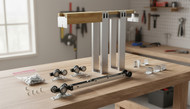
Pocket doors rely on a set of internal mechanical components that allow the door to slide smoothly into the wall while remaining stable, quiet, and durable over time. Although pocket doors appear simple once installed, their performance is determined almost entirely by the quality and design of the hardware hidden inside the wall cavity.
Understanding how pocket door mechanisms work helps homeowners, designers, and renovation professionals make better decisions when planning installations, selecting hardware, and avoiding common long-term issues.
If your project requires new or replacement parts, our pocket door hardware collection makes it easier to find compatible tracks, rollers, and accessories designed to work with modern pocket door systems.
Main Components of a Pocket Door Mechanism
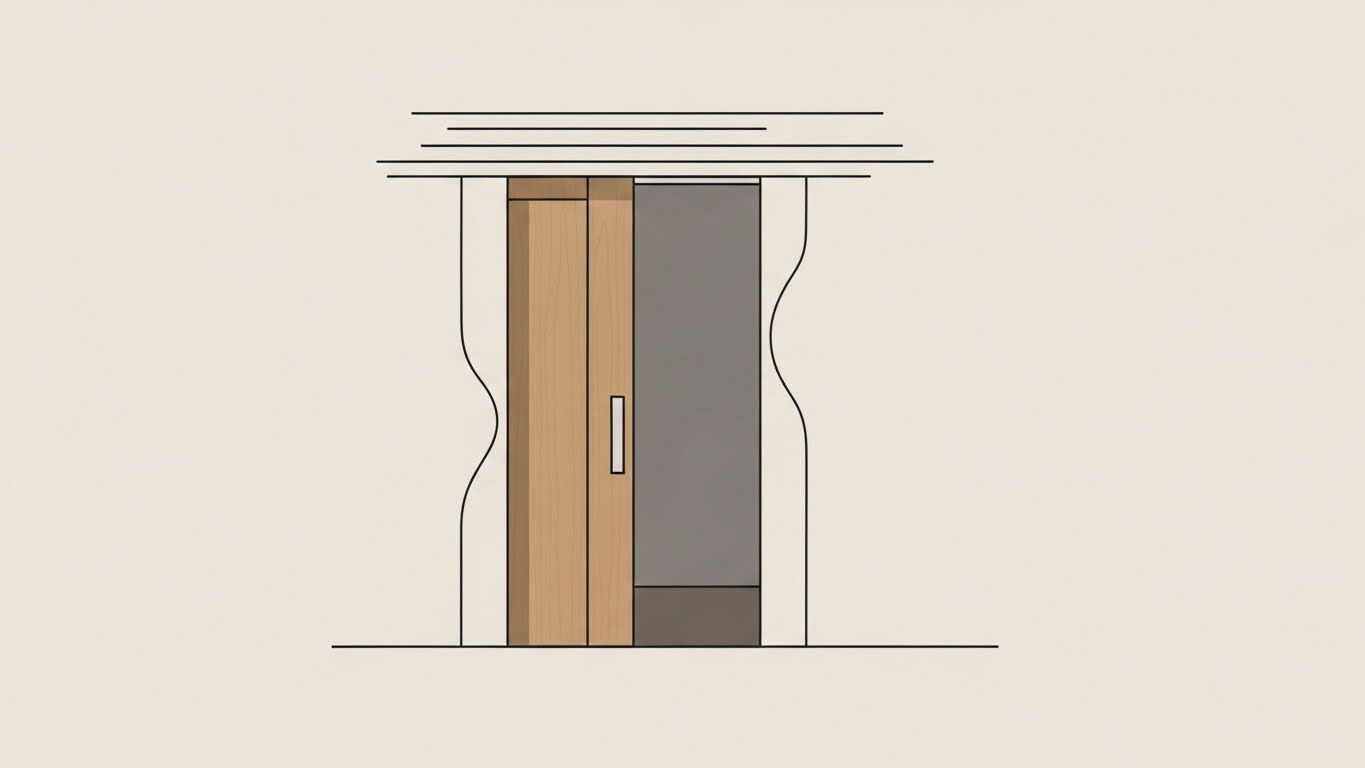
A pocket door mechanism consists of several interconnected parts that support the door’s weight, guide its movement, and keep it properly aligned as it opens and closes. Each component plays a specific role, and overall performance depends on how well these parts work together.
The core components include the track, rollers, guides, and optional soft-close mechanisms.
Pocket Door Tracks: The Structural Backbone
A pocket door track is the horizontal rail mounted at the top of the doorway that supports the door as it slides into the wall cavity. Unlike hinged doors, pocket doors are fully supported from above, making the track one of the most critical elements of the system.
Track quality directly affects how smoothly the door moves and how well it performs over time.
Key factors that influence track performance include:
- Weight capacity and load rating
- Material rigidity and resistance to flexing
- Precision alignment during installation
Lower-quality tracks may bend or shift over time, leading to sticking, uneven movement, or noise. Modern pocket door systems typically use reinforced aluminum or steel tracks designed to maintain consistent alignment and support heavier doors.
Pocket Door Rollers: Supporting Weight and Controlling Movement
Pocket door rollers are the primary load-bearing components of the system. They attach to the top of the door panel and carry the full weight of the door as it moves along the track.
Rollers are mounted to adjustable hangers, allowing installers to fine-tune door height and alignment even after the wall is closed. This adjustability is essential for achieving smooth, level operation.
Important roller characteristics include:
- Wheel material and durability
- Bearing quality and smoothness
- Maximum weight rating
Lower-grade rollers often wear down more quickly, resulting in rough or noisy movement. Higher-quality rollers use sealed bearings and durable materials, providing quieter operation and a longer service life.
Using well-built sliding door hardware designed for long-term performance can help ensure smooth operation, reduce wear, and improve reliability over time.
Pocket Door Guides: Keeping the Door Aligned
Pocket door guides keep the door properly aligned as it moves in and out of the wall. Because pocket doors do not have side jambs like traditional hinged doors, guides prevent the door from swinging, rubbing, or twisting during operation.
Common guide configurations include:
- Floor-mounted guides at the doorway opening
- Rear guides positioned inside the wall cavity
- Integrated guide systems built into premium frames
Improperly installed or missing guides are a frequent cause of instability and noise. Well-designed guide systems ensure the door remains centered and moves predictably every time it is used.
Soft-Close Mechanisms: Controlled, Quiet Operation
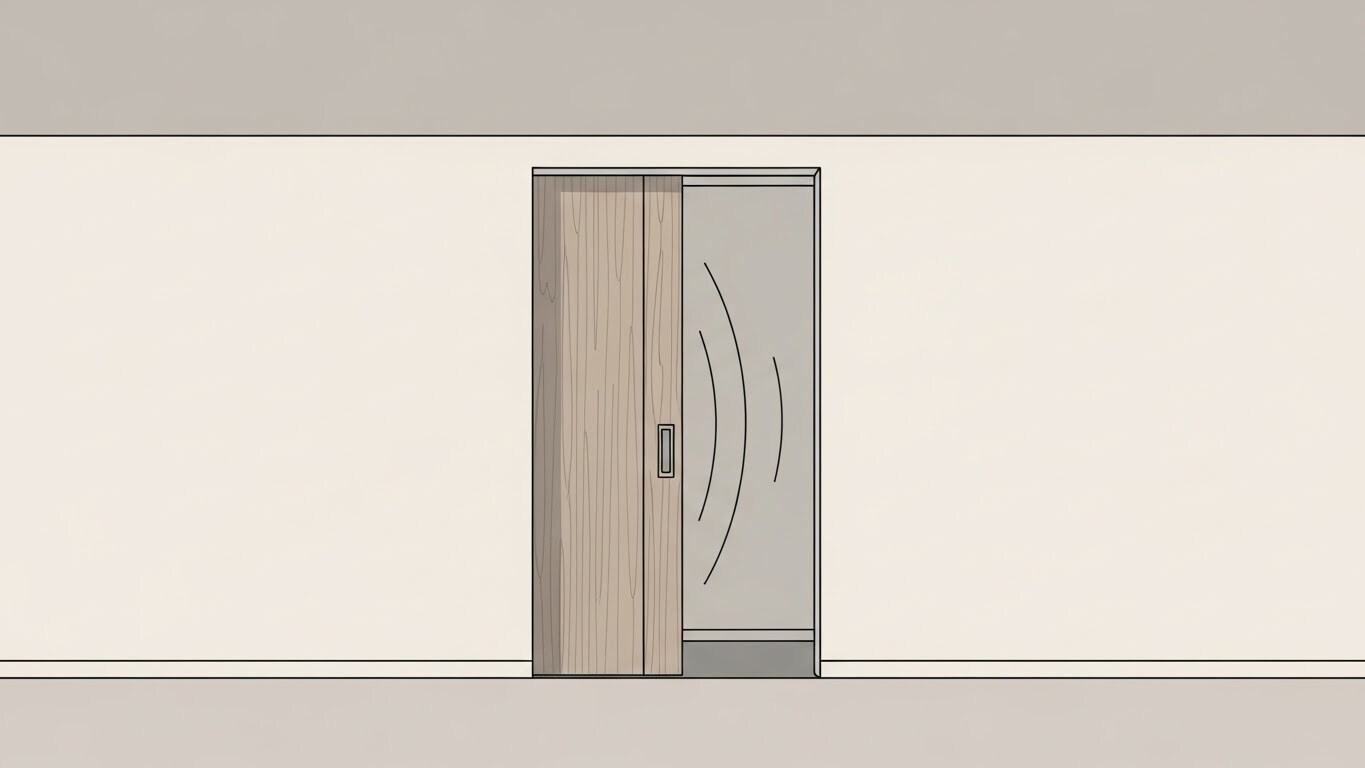
Soft-close mechanisms slow the door near the end of its travel, preventing slamming and reducing stress on the hardware. These systems improve usability while extending the lifespan of the track and rollers.
Soft-close units typically use dampers or spring-assisted components that engage just before the door reaches the fully open or closed position. Once engaged, the mechanism gently pulls the door the rest of the way.
Benefits of soft-close systems include:
- Reduced impact and noise
- Improved user experience
- Lower long-term wear on mechanical components
Not all pocket door systems include soft-close hardware by default, and compatibility depends on track design and door weight.
Why Older Pocket Door Systems Developed a Mixed Reputation
Many concerns about pocket doors stem from experiences with older systems that used outdated hardware designs.
Earlier pocket door mechanisms often relied on:
- Lightweight tracks prone to flexing
- Basic rollers with limited bearings
- Minimal access for adjustment or repair
- Inadequate guide systems
Modern pocket door hardware addresses these limitations through stronger materials, improved engineering, and better adjustability. When properly specified and installed, today’s systems perform far more reliably than earlier designs.
How Mechanism Quality Affects Maintenance and Lifespan
The long-term reliability of a pocket door depends more on hardware quality than on the door panel itself. High-quality tracks, rollers, and guides can operate smoothly for decades with minimal maintenance.
Most performance issues can be traced back to:
- Under-rated rollers
- Misaligned or flexible tracks
- Poor guide placement
Routine inspection and proper installation are usually sufficient to maintain long-term performance when quality components are used.
How Pocket Door Mechanisms Influence Door Selection
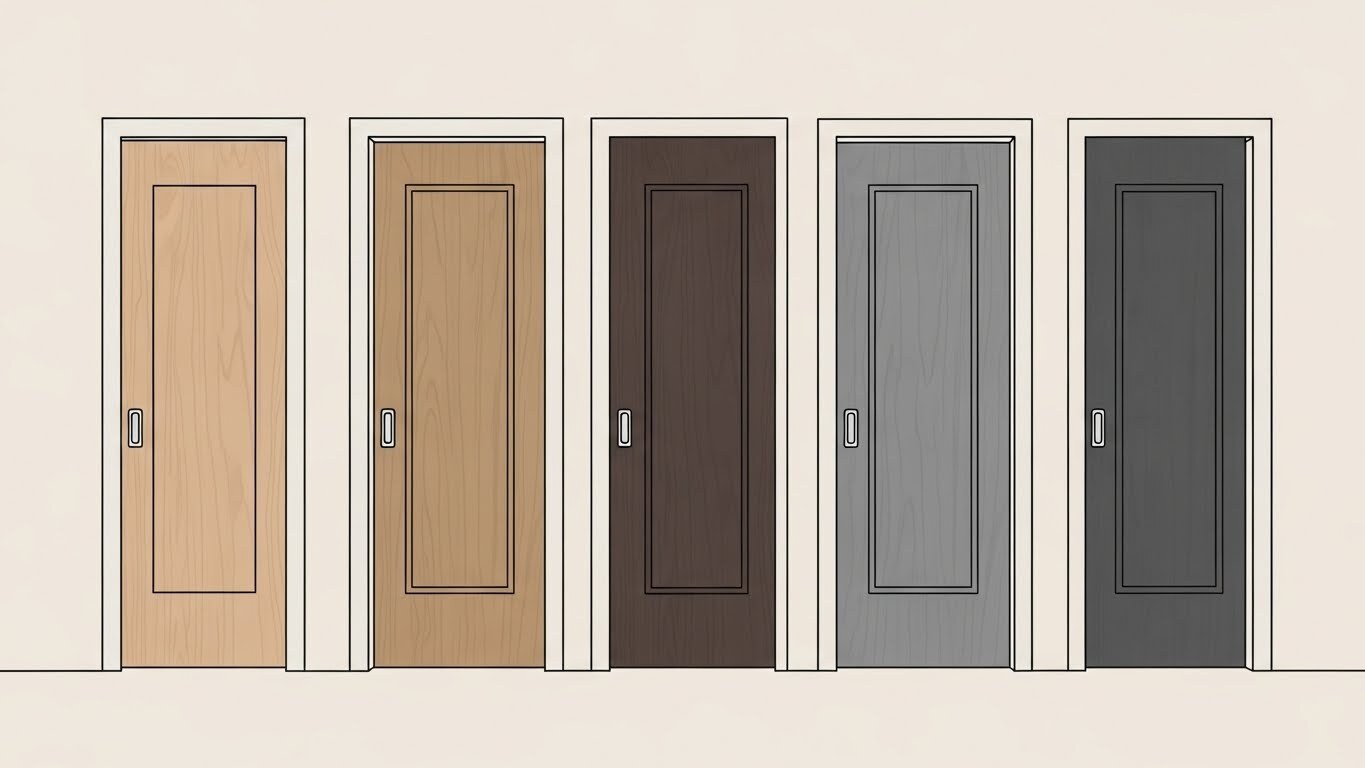
Not all door panels are suitable for every pocket door system. Heavier doors, solid-core panels, and oversized doors require hardware rated for higher loads.
Using mechanisms that are not properly matched to the door’s weight can lead to premature wear and poor operation. Selecting appropriate tracks and rollers is just as important as choosing the door itself.
Recommended Pocket Door Mechanisms
Choosing the Right Pocket Door Components
Pocket doors perform best when their internal mechanisms are carefully selected, properly installed, and matched to the door they support. Tracks carry the load, rollers control movement, guides maintain alignment, and soft-close systems enhance durability and usability. With modern components, pocket doors can offer quiet, smooth, and space-efficient performance in a wide range of applications.
While pocket door mechanisms control movement and alignment, the right locking hardware plays an important role in privacy, security, and everyday usability. Selecting a lock designed specifically for sliding and pocket doors helps ensure smooth operation without interfering with the door’s movement inside the wall.
Explore Carter Bay’s full range of door locks to find styles and configurations that suit your project and functional requirements.
Frequently Asked Questions About Pocket Door Mechanisms
Are pocket doors high maintenance? +
Pocket doors generally don’t need a lot of maintenance, but just how much care they require depends on the quality of their internal parts. When they have well-designed tracks, sealed-bearing rollers, and are installed correctly, they usually stay in good shape with just minimal upkeep over time.
How popular are pocket doors? +
Pocket doors are great for making the most of smaller spaces like bathrooms, closets, and secondary rooms. While they used to be less common in main living areas, today’s modern pocket door mechanisms have really improved their reliability and appeal, making them a popular choice for modern homes.
What is the lifespan of a pocket door mechanism? +
A high-quality pocket door mechanism can last several decades when properly installed and matched to the door’s weight. Most failures occur due to under-rated hardware or poor alignment rather than normal wear.
Are modern pocket door mechanisms better than older ones? +
Yes, modern pocket door mechanisms are much more reliable than older designs. Thanks to improvements in track rigidity, roller bearings, and guide systems, these doors now operate more smoothly, last longer, and perform better over time.