Best Smart Locks for Vacation Rentals: The Complete Guide
- 2 April 2025
- Carter Bay
Managing access to your vacation rental is key to a successful short-term rental. Smart locks have revolutionized how property owners manage guest entry. They remove the need for key exchanges and boost security.
Whether you oversee one vacation home or many in various locations, you must be aware of smart locks. It helps you strike the right balance between security and guest experience.
Today, we at Carter Bay will guide you in choosing the best smart lock for a rental property. We'll help you decide, install, and use the ideal smart lock system for your vacation rental.
Understanding Smart Lock Basics
Smart locks are electronic locks that let you enter without a key. You can use numeric codes, smartphone apps, fingerprint scans, or RFID cards for access. They either replace or enhance traditional key locks. Plus, they offer extra features that are great for vacation rental properties.
Our Accentra Nextouch Z-Wave Radio Module is perfect for rental properties. It lets you create temporary keycard access for a set time. Smart locks connect through Wi-Fi or Bluetooth for remote management.
Most systems let you create and delete temporary access codes from afar. You can also track when people enter or leave and get alerts when guests arrive or depart.
Different vacation rentals have different smart lock requirements. Urban apartments usually emphasize systems that link to building intercoms. On the other hand, remote cabins need locks that work well without constant internet access. Beachfront properties need corrosion-resistant hardware. High-end luxury rentals focus on both design and functionality.
System reliability is crucial for vacation rentals. If guests find an inoperable lock after a long trip, it can lead to bad reviews and emergency calls. Choose a smart lock by focusing on battery life, backup entry options, and reliability. These features are key for safety and ease of use.
Types of Smart Locks for Vacation Rentals
Keypad Smart Locks
Keypad smart locks feature numeric keypads where guests enter a code to unlock the door. They're very popular for vacation rentals. Guests find them easy to use, and there's no need for app downloads or smartphone compatibility.
Most allow multiple codes. This lets you create unique codes for each guest's stay. You can also set separate codes for cleaning staff or maintenance personnel.
Carter Bay's keypad models offer customizable code expiration. This can automatically deactivate access when a guest's stay concludes.
Smartphone-controlled Smart Locks
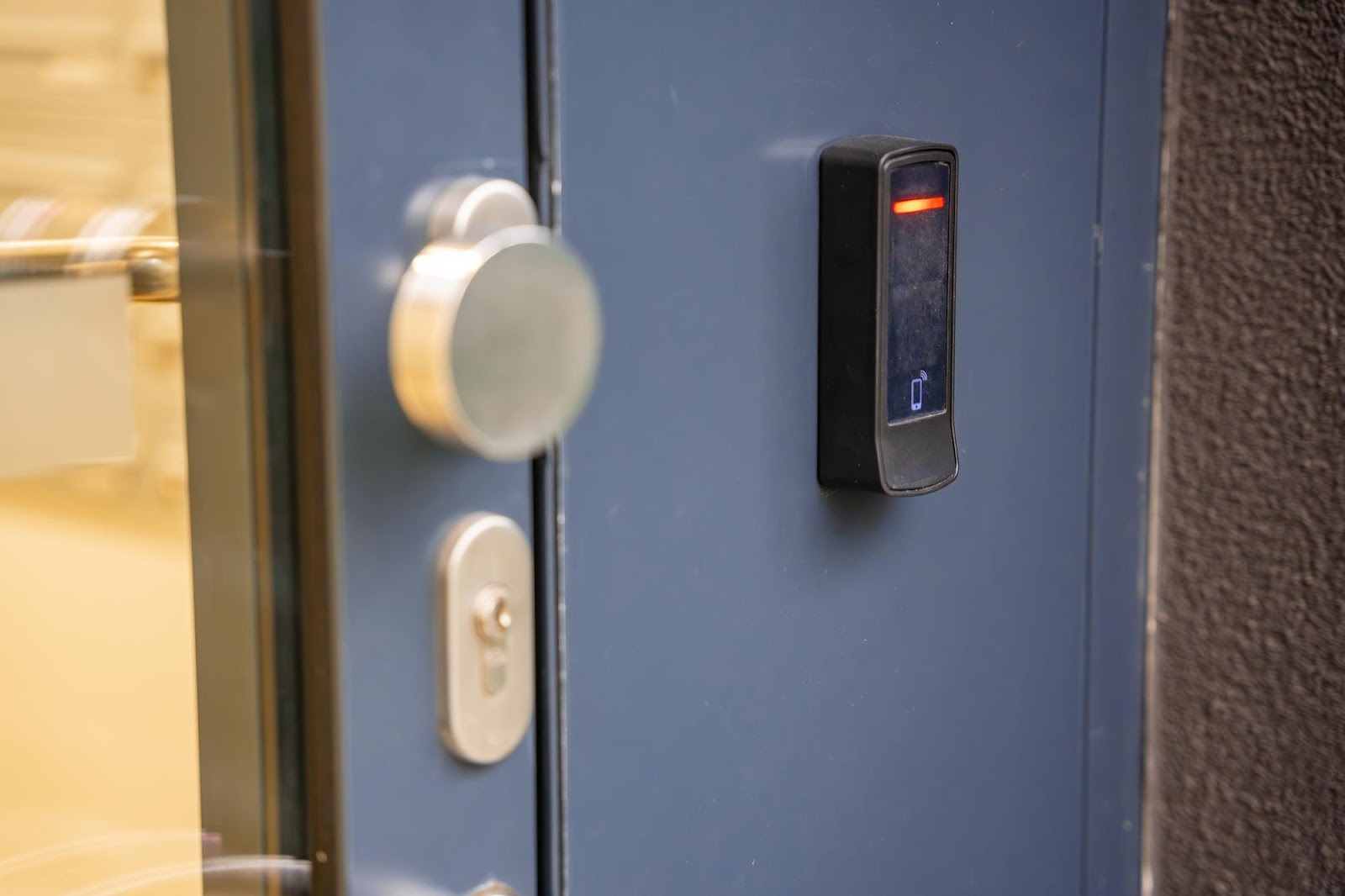
Smartphone-controlled smart locks rely on mobile apps for operation. Connecting via Bluetooth or Wi-Fi, these locks offer many enhanced features. These include guest management through dedicated hosting platforms and detailed access logs.
Still, smart locks might require guests to download specific apps before arrival. However, some elderly guests or international travelers with limited data plans may struggle with app-based systems.
See the Kwikset Halo 938 Electronic Keypad Deadbolt for easy access for your guests.
Fingerprint Smart Locks
Locks like the Kwikset Halo Touch Fingerprint Lock use fingerprint authentication. This allows entry with a quick fingerprint scan.
But these are less practical for vacation rentals because they require pre-registering fingerprints.
Still, fingerprint locks can be great for property owners or managers for easy access.
Hybrid Smart Locks
Hybrid smart locks combine multiple entry methods. They can offer keypad access alongside app control or physical key backup options. Carter Bay's premium vacation rental locks offer flexibility for different guest preferences. We offer important backup methods if a system fails or guests face technical issues.
Key Features for Vacation Rental Smart Locks
Remote code management is key for vacation rental operators. It lets you create and share new access codes, even if you're not at the property. Find systems that work with your property management software. These can automate creating and removing codes based on booking dates.
Auto-locking features ensure security after guests enter or leave. It also addresses the common problem of guests forgetting to lock doors. Adjustable auto-lock timing lets you customize how quickly the door locks after opening.
Activity logs provide detailed records of every entry and exit. This information is invaluable for security monitoring. It also helps settle disputes over check-in and check-out times. Plus, it confirms when the cleaning staff finishes their work.
Battery life and low-battery alerts are crucial considerations. Nothing is worse than a guest being locked out because the batteries are dead. Quality smart locks should last 6-12 months on a single set of batteries.
Weather resistance matters for oceanfront properties where salt air can corrode electronics. The same goes for mountain cabins, which face extreme temperature variations.
Carter Bay's vacation rental locks include models made for tough conditions. They work well in extreme temperatures and have corrosion-resistant parts.
Backup entry methods are essential for vacation rentals. Even the most reliable technology can fail. So, make sure your smart lock has emergency access options, such as a physical key override, backup power connections, etc.
Some models feature external contacts where a 9V battery can be temporarily connected to power a dead lock.
For rentals with a traditional look, Carter Bay has vintage-style smart locks. One option is the Schlage Residential FE595 Keypad Knob. It blends classic design with modern technology.
Guests can unlock the door with a PIN code or key, and lock it from inside with a built-in deadbolt for added security.
Integration with Vacation Rental Platforms
The top smart home locks for vacation rentals integrate well with popular booking platforms and property management systems. Integrating with platforms like Airbnb and VRBO means automatic code generation after a booking. It also deactivates codes once guests check out.
Some systems can send tailored welcome messages. They include access instructions and are sent at set times before arrival. Property management software integration makes life easier for multi-property owners. It combines access management with your booking system, cleaning schedules, and maintenance tasks. Carter Bay's smart locks offer API access to connect with major software.
Noise monitoring integration links your smart lock to noise-level sensors. These sensors alert you when guest noise goes over set limits. This helps prevent unauthorized parties and disruptions to neighbors.
Security system integration connects your smart lock to cameras and motion sensors. This setup offers complete protection for your property. Some systems have conditional access rules. They can automatically disarm the security system using a valid entry code. But if someone enters without a code, alerts are triggered.
Communication automation can send automatic welcoming messages when guests first unlock the door. Or providing additional information about amenities or local attractions.
These integrations cut down the admin work needed for access management. They also boost security and improve the guest experience.
Installation and Connectivity Considerations
Most vacation rental smart locks fit over existing deadbolts. They don't need any changes to the door. Simple installation typically takes 15-30 minutes using just a screwdriver. Some advanced systems need extra setup or professional installation. This is especially true if they connect with other smart home features.
Carter Bay provides professional installation services. If DIY isn't your thing or you have several properties to set up at once, we can help.
Connectivity requirements vary between smart lock systems. Wi-Fi-connected locks provide great features, like remote management. However, they use more battery and need a stable internet connection at the property.
Bluetooth locks communicate directly with phones in close proximity. These require less power but limit remote management unless paired with a separate bridge device. Z-Wave and Zigbee locks connect to smart home hubs, not the internet. This setup provides great battery life and reliable performance within smart home systems.
Explore our range of Z-Wave smart locks like the Schlage Residential JFE109 Keypad Lever, Kwikset Push Button Electronic Deadbolt, and Yale Residential Touchscreen Deadbolt. Each lock offers different features to fulfill your home security needs.
Consider power backup options carefully, especially for remote properties. Guests could be stranded if the lock loses power. Some include internal backup batteries that engage automatically if the main batteries fail.
Others feature external power ports where emergency power can be connected. Physical key overrides provide the ultimate backup. But keys require secure storage solutions like lockboxes with their own access codes.
Rural and remote properties may face additional challenges with consistent internet connectivity. For these locations, consider smart locks that cache access codes locally. This ensures they continue functioning during internet outages. You can also choose Bluetooth models that don't require constant connectivity.
Privacy and Security Features
Advanced encryption protects against digital intrusion attempts. 128-bit or 256-bit encryption is the industry standard for smart locks. Auto-code expiration automatically deactivates guest codes after checkout. This eliminates the security risk of former guests retaining access. Maintenance workers or inspectors can create one-time codes for temporary access.
Anti-tampering features have alarms. They notify you if someone tries to force or take apart the lock. Some models also include incorrect-code lockout. This feature can temporarily disable the keypad after multiple incorrect code entries.
Decoy code features let guests add random digits before or after their real code. This makes it hard for anyone watching to figure out the actual access code.
Two-factor authentication adds an extra security layer, too! It necessitates both a code and a secondary verification method for access. This can be great for owners and managers who need higher security protocols than guests. Privacy policies from lock manufacturers should be carefully reviewed. Some systems collect more data on entry patterns and user behavior than others.
Choose Carter Bay as we follow strict data privacy standards. Our policies are clear about the collected information and how it is used.
Managing Guest Access
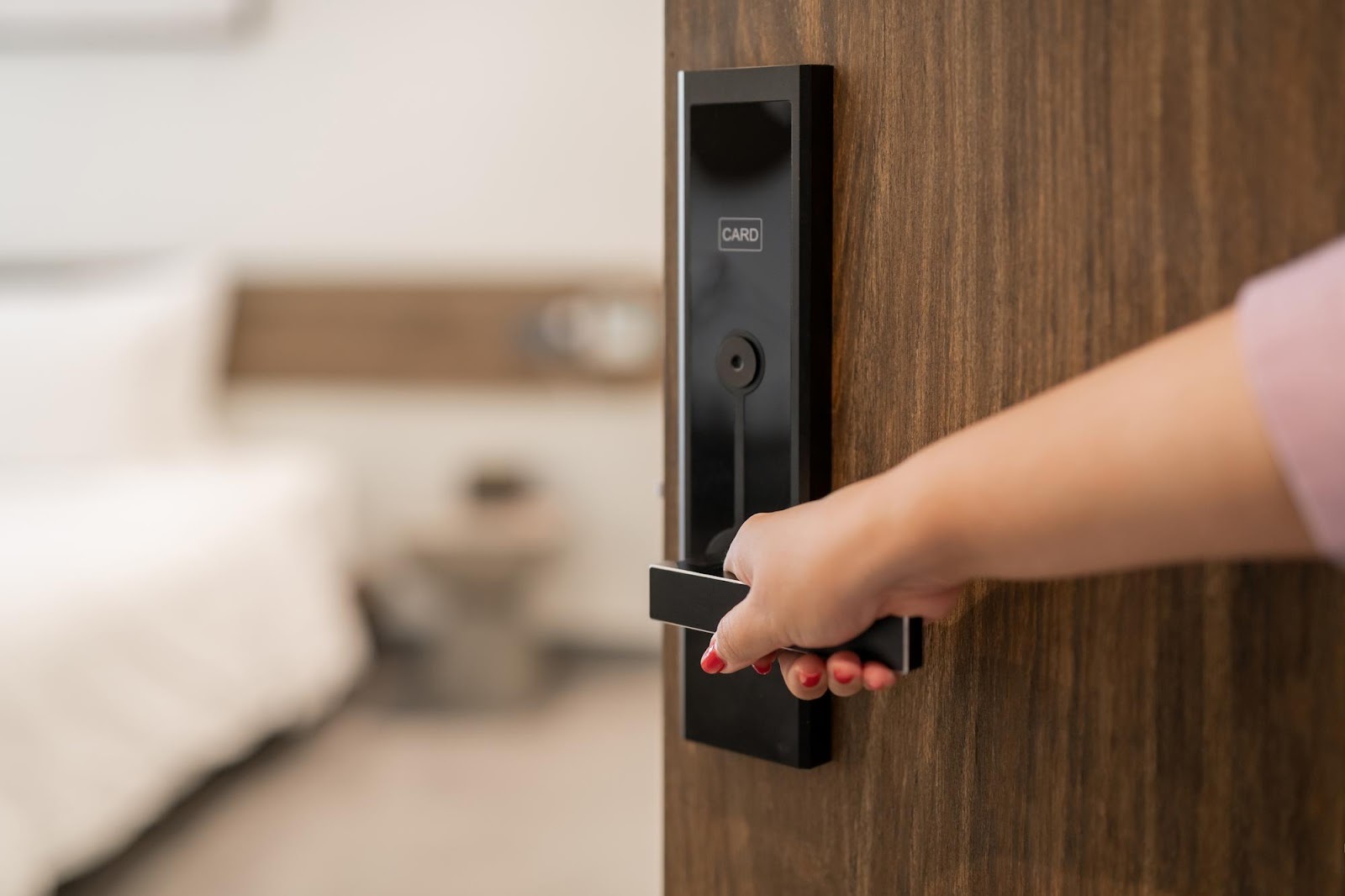
Creating a smooth guest access experience starts with clear communication. Send detailed instructions at least 24 hours before arrival. Include pictures of the lock, step-by-step access instructions, and troubleshooting tips.
Consider creating a brief video walkthrough demonstrating exactly how to operate the lock. Provide backup access methods and emergency contact information in case guests encounter difficulties.
Many hosts include this information in digital pre-arrival communications and physical welcome books.
Code management best practices include creating unique codes for each guest stay. Preferably, use some digits of the guest's phone number or another easy-to-remember combination.
Set up different codes for cleaning staff, maintenance workers, and co-hosts. This keeps security strong while allowing them the access they need. Use scheduled access that automatically activates guest codes shortly before check-in time. Make sure it deactivates after checkout to prevent early arrivals or unauthorized overstays.
Remote troubleshooting capabilities help you resolve access issues without requiring your physical presence. Choose remote systems that allow you to check lock status, battery, and activity logs.
Some advanced locks even let you unlock the door in emergency situations remotely. You should only use this feature when you can verify the identity of the person requesting access.
Cost Considerations and ROI
Initial investment in quality smart locks typically ranges from $150 to $400 per door. More premium models offer enhanced durability, connectivity options, and feature sets.
Carter Bay's vacation rental collection provides many options to suit different budgets. Installation costs are minimal if you choose self-installation. Professional installation services typically range from $75 to $150 per lock.
Ongoing costs can include subscription fees for extra features. You might need to pay extra for integration with property management platforms. Some manufacturers offer basic functionality for free. However, they charge monthly fees for premium features. This includes unlimited access codes and extended activity history.
Battery replacement is a minor but regular expense. Most systems require new batteries every 6-12 months, depending on usage and type.
Return on investment comes through several tangible benefits:
- Elimination of key replacement costs when guests lose physical keys.
- Reduced time and transportation costs for in-person key handoffs.
- Decreased risk of unauthorized duplication compared to physical keys.
- Potential insurance premium reductions for properties with enhanced security features.
Moreover, keyless entry leads to better guest reviews. This helps you charge higher nightly rates. Many hosts say smart locks pay for themselves within the first year. They do this just through better operations.
Top Recommendations for Different Property Types
For urban apartments and condos, pick slim smart locks. They operate quietly, so you won't disturb your neighbors. Models with door sensors can alert you if guests leave the door open. This helps solve a common security issue in multi-unit buildings.
Carter Bay's Urban Series smart locks have tamper alerts and quiet motors. They are made for multi-unit buildings.
Beachfront and coastal properties require exceptional weather resistance. This is because the properties face salt air, humidity, and temperature fluctuations. Look for marine-grade finishes and fully sealed keypads. Ideally, aim for an IP65 or higher weather-resistance rating.
Carter Bay's Coastal Collection smart locks are made with corrosion-resistant parts. They are designed for waterfront environments.
For luxury vacation rentals, aesthetic considerations become more important alongside functionality. Choose designs that complement high-end door hardware. Prioritize premium finishes and minimal visual disruption to architectural elements.
Carter Bay's Designer Series smart locks have customizable faceplates. You can match them to your current door hardware finishes.
Remote cabins and rural properties benefit from smart locks with long-lasting batteries. They need offline functionality that doesn't rely on consistent internet connectivity. Find systems that store access codes locally. They should also give clear low-battery warnings before failure.
Bluetooth-operated systems can provide the best combination of reliability and remote management capabilities.
Smart locks are a key investment for vacation rental owners. They make guest access easier and boost security and efficiency. The right system for your property depends on specific factors. These include location, property type, management approach, and budget.
Always select a smart lock with helpful features, reliable performance, and integration capabilities. This will help you provide a great experience for your guests. It also simplifies how you manage things.
The perfect smart lock should be virtually invisible. It should work so well that you and your guests don't need to think about it. When searching for options, prioritize reliable vacation rentals. Also, consider strong manufacturer support. Finally, think about how well it fits with your current management systems.
Check out Carter Bay or talk to our vacation rental experts. They can help you explore our range of smart locks made for short-term rentals.
Our expert team can help you choose the right system for your needs. We ensure secure and easy access, making your guests' stay even better.